
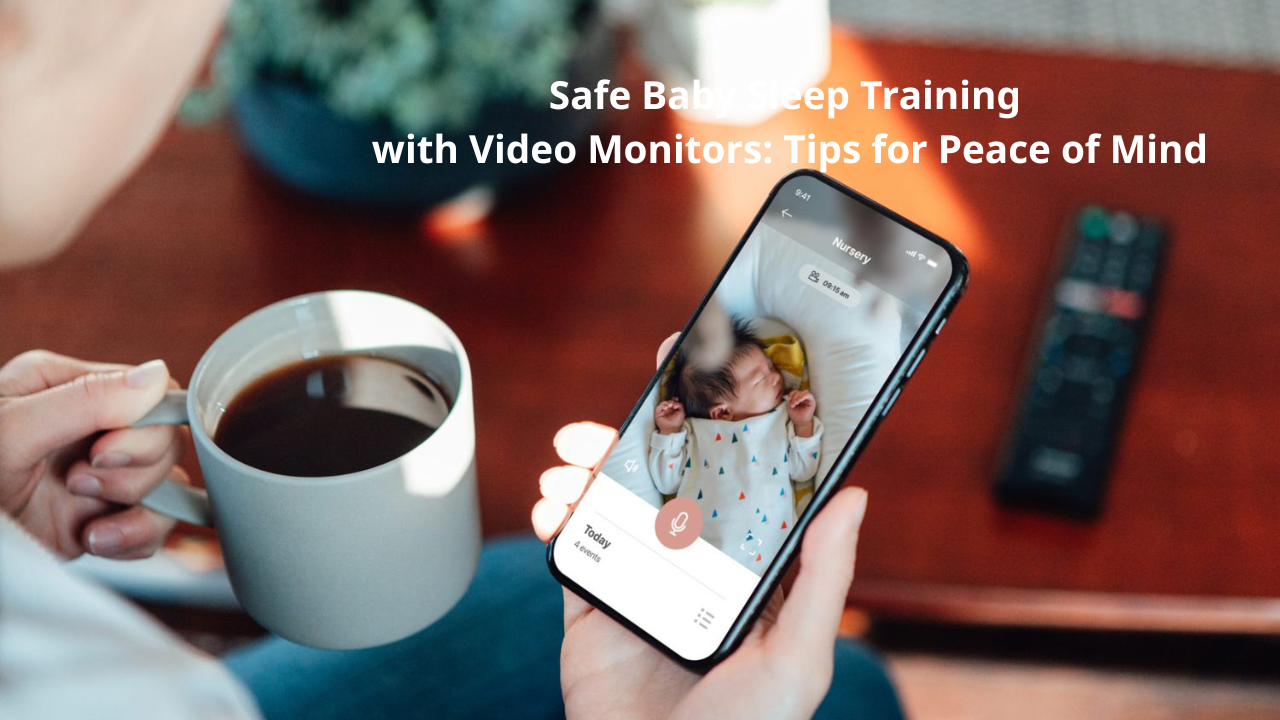
How to Sleep Train Your Baby Safely Using Video Monitoring
Sleep training is a major milestone, but it often brings both excitement and worry. Fortunately, modern tools like video monitors allow you to sleep train your baby safely while building confidence. By using advanced features like two-way talk and zoom-and-tilt—found in Babysense monitors—you can establish healthy routines without entering the room. This guide explores effective methods and the benefits of choosing non-WiFi baby monitors for maximum security and reliability. Whether you’re just starting or refining your approach, learn how to create a peaceful environment and achieve true peace of mind during the sleep training process.
How to Sleep Train Your Baby Safely Using Video Monitoring

Using a video monitor in sleep training is an invaluable tool. It allows parents to observe their baby’s behavior from a distance, minimizing unnecessary disturbances and giving real-time insights about their baby’s needs. This practice fosters trust between parent and child, promotes independent sleep, and ensures safety.
Creating a safe sleep environment is the foundational step before sleep training. This involves ensuring the crib is free from loose bedding, pillows, or stuffed animals, and the room temperature is optimal, usually between 68-72°F. When equipped with a reliable video monitor, parents can continuously oversee their baby’s sleeping area, which significantly boosts peace of mind for parents. The ability to check on your baby from anywhere reduces anxiety, especially for first-time parents still adjusting to their new role.
Implementing how to sleep train your baby safely using video monitoring means setting clear boundaries and routines. Parents can watch for signs of sleepiness and begin establishing bedtime rituals like reading a story or singing a lullaby. With a high-quality monitor, you can observe your baby’s cues, whether they are rubbing their eyes or fussing, allowing you to time your interventions appropriately. Moreover, consistent use of the monitor during sleep training helps you identify patterns and troubleshoot issues without unnecessary disturbance, making the process smoother and more predictable.
When to start sleep training newborn
Understanding when to start sleep training a newborn is key to setting realistic expectations. The ideal time usually varies for each child but generally falls between 4 to 6 months of age. This period marks when babies begin developing more regular sleep cycles and are capable of self-soothing — essential skills for independent sleep.
Newborns are naturally different from older infants; they have irregular sleep patterns, often waking every two to three hours, including night feedings. Therefore, traditional sleep training methods aren’t suitable during this delicate stage. Instead, parents should focus on establishing healthy sleep environments and routines, which lay the groundwork for later formal sleep training.
However, early steps like creating a consistent bedtime routine, ensuring the nursery environment is comfortable, and monitoring sleep patterns with a video monitor can foster better sleep habits over time. Recognizing when to start sleep training a newborn is crucial — it should only begin once your baby reaches a developmental stage where they can learn to self-soothe, usually around 4 months or later. Patience, consistent routines, and gentle, age-appropriate approaches are vital in this process, making peace of mind for parents a tangible benefit even during early infancy.
Afe sleep training methods
Choosing the right sleep training methods is essential for a gentle, effective process that aligns with your family’s values and your baby’s temperament. Several approaches exist, each with their benefits and nuances, but all aim to promote independent sleep while maintaining a nurturing environment.
Cry-it-out (CIO) or extinction is one method where parents allow babies to self-soothe without intervention, but many families find this approach too distressing initially. Alternatively, gradual retreat involves slowly increasing the distance of parental presence from the crib, giving the baby time to adjust at each stage. Fading methods involve reducing intervention frequency, guiding the baby toward independent sleep gradually.
For parents wary of abrupt methods, incorporating high-tech tools such as the Babysense video monitor, which offers features like two-way talk, can enhance the process. Two-way talk enables parents to reassure and comfort their baby remotely, blending gentle sleep training with comfort and connection. Equally important is understanding that afe sleep training methods are rooted in patience, consistency, and respect for your baby’s developmental needs, helping foster trust and security while establishing healthy sleep routines.
Peace of mind for parents
:max_bytes(150000):strip_icc()/GettyImages-1338820637-2000-6265ab686f3044dcb9a37cf0a61c276b.jpg)
One of the most significant benefits of modern baby monitoring is gaining peace of mind for parents. Whether you’re a first-time parent or managing multiple children, knowing that your baby is safely sleeping can drastically reduce anxiety and stress.
A quality video monitor provides visual reassurance, allowing you to see your baby’s actions and environment without physically entering the room. Whether it’s watching a gentle sleep movement or checking for any signs of distress, real-time visual feedback supports a sense of control, especially when sleep training or during sleep regressions. The two-way talk feature enhances this reassurance by enabling parents to speak softly to soothe their baby, mimicking what they might do in person.
Furthermore, zoom and tilt for nursery monitoring offers added flexibility, allowing you to focus closely on your child’s face or adjust the camera’s view to cover the entire crib or room area. This adaptability ensures you’re always capturing the most relevant aspects of your baby’s sleep environment, which is particularly reassuring during the night or when traveling.
Ultimately, integrating reliable technology into sleep routines contributes significantly to peace of mind for parents, reducing worries during those long nights and helping foster a more relaxed, confident approach to sleep training.
Babysense video monitor
The Babysense video monitor stands out in nursery surveillance equipment, especially for its focus on safety and ease of use. Known for reliability, the Babysense monitor incorporates smart features that support gentle and secure sleep training.
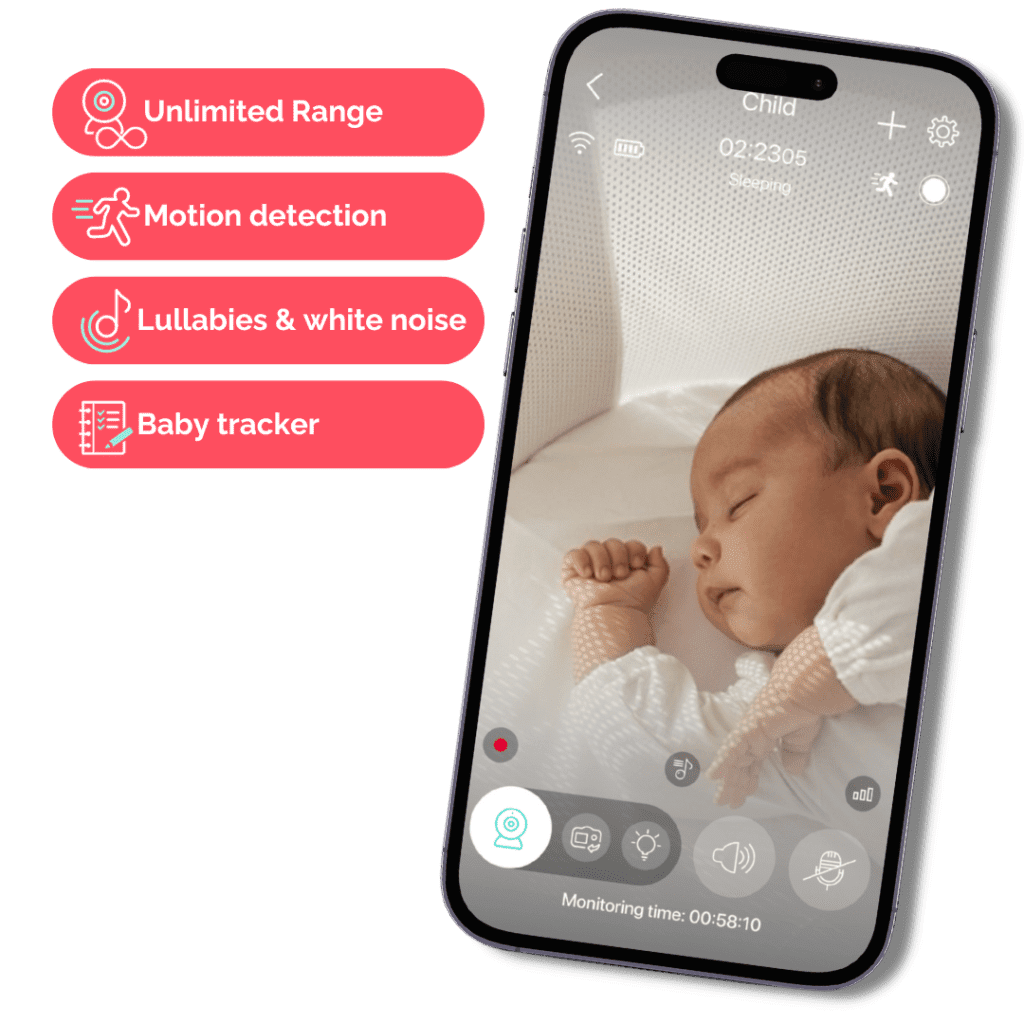
Designed with families’ safety in mind, the Babysense monitor offers a non-WiFi connection, eliminating concerns about hacking or signal interference. The benefits of non-Wifi baby monitors include greater security, faster connection speeds, and reduced exposure to potential online threats, making it an excellent choice for conscientious parents. The device’s durable construction and straightforward interface make monitoring simple and effective.
The high-definition video feed, combined with features like zoom and tilt, allows parents to customize the view, focusing on specific areas of the nursery or tracking the baby’s movements. The clarity helps in spotting early signs of discomfort or distress, which is crucial during sleep training. Plus, the two-way talk feature ensures that parents can communicate with their baby to provide soothing sounds or gentle words.
In essence, the Babysense monitor enhances sleep safety and comfort, creating an ideal atmosphere for sleep training while offering peace of mind for parents. Its reliability and intuitive design make it an indispensable tool for daily nursery monitoring.
Two-way talk feature
The two-way talk feature is a transformative addition to modern baby monitors, effectively bridging the gap between physical presence and remote reassurance. This feature allows parents to communicate directly with their baby via the monitor without entering the room, offering an alternative to physical contact that maintains the baby’s sense of security.
This function is especially useful during sleep training, as parents can quietly reassure, give a gentle bedtime message, or soothe a crying baby from afar. It minimizes the need for entering and exiting the nursery repeatedly, which can sometimes disrupt sleep patterns and create confusion about sleep boundaries.
Furthermore, the two-way talk feature encourages a calming environment, where babies learn to associate their parent’s voice with comfort, even when apart. This technique can significantly accelerate sleep independence while maintaining emotional connectivity. For parents, hearing their baby’s familiar cry or response provides peace of mind and a sense of control, particularly during night awakenings.
Incorporating two-way talk technology into your sleep training routine can thus be a strategic, nurturing way to foster trust, reduce distress, and streamline bedtime routines—making it easier to establish lasting sleep habits.
Zoom and tilt for nursery monitoring
The zoom and tilt features of nursery monitors are often overlooked but hold profound importance for effective sleep monitoring. These tools provide customizable oversight, ensuring parents can focus on specific areas or observe their baby’s behavior from different angles, which is particularly valuable during sleep training.
Zoom capabilities enable close-up views of the baby’s face or hands, allowing you to check for nasal congestion, discomfort, or awkward sleep positions that might disturb restful sleep. Meanwhile, tilt functions give the flexibility to adjust the camera’s angle remotely, covering the entire crib or room, depending on the night’s needs.
This dynamic control supports vigilant monitoring without frequent physical adjustments, reducing the need to disturb the baby’s sleep. For example, during the early stages of sleep training, parents might want to observe how their child self-soothes or respond if they notice distress signals that require intervention. The advanced camera movement functions also facilitate better visualization of the environment, ensuring there are no hazards or disturbances.
Overall, zoom and tilt for nursery monitoring empower parents to adopt a more attentive, respectful approach to sleep routines, combining technological precision with gentle caregiving. This comprehensive oversight aligns with the goal of how to sleep train your baby safely using video monitoring.
Benefits of non-Wifi baby monitors
Choosing a non-WiFi baby monitor carries distinct advantages, especially for health-conscious or privacy-focused families. These monitors prioritize safety, security, and dependability, making them an appealing option for many parents.
One primary benefit of non-Wifi baby monitors is the elimination of online connectivity, reducing the risk of hacking or unauthorized access. With increasing concerns around digital privacy, having a dedicated device that doesn’t connect to the internet alleviates these fears, ensuring a more secure nursery environment. Moreover, non-WiFi devices often feature faster connection speeds and greater stability, as they depend on dedicated channels rather than WiFi networks that can be congested or disrupted.
Another advantage is enhanced privacy. Since these monitors don’t transmit data over the internet, parents don’t have to worry about sensitive footage being intercepted or stored on cloud servers. This feature appeals to families who prioritize traditional, internal-only devices that offer peace of mind.
Furthermore, non-WiFi baby monitors typically require less setup and are more straightforward to operate, often with long-lasting batteries and robust construction. They’re generally more reliable in environments with poor WiFi coverage or interference, making them ideal for rural or less connected households. This reliability contributes significantly to peace of mind for parents and the success of sleep training routines.
Conclusion
Effective and safe baby sleep training combines gentle, consistent routines with modern tools like video monitors to enhance peace of mind for parents. Understanding when to start sleep training newborn, selecting appropriate afe sleep training methods, and utilizing features such as two-way talk, zoom and tilt, and non-Wifi monitors can significantly improve the sleep environment for both baby and parent. Devices like the Babysense video monitor exemplify how technology can bolster safety, security, and emotional reassurance, leading to smoother sleep transitions and healthier habits. Embracing these innovations with patience and love lays a solid foundation for peaceful nights and happy days ahead, making the journey of sleep training more manageable and fulfilling for everyone involved.